
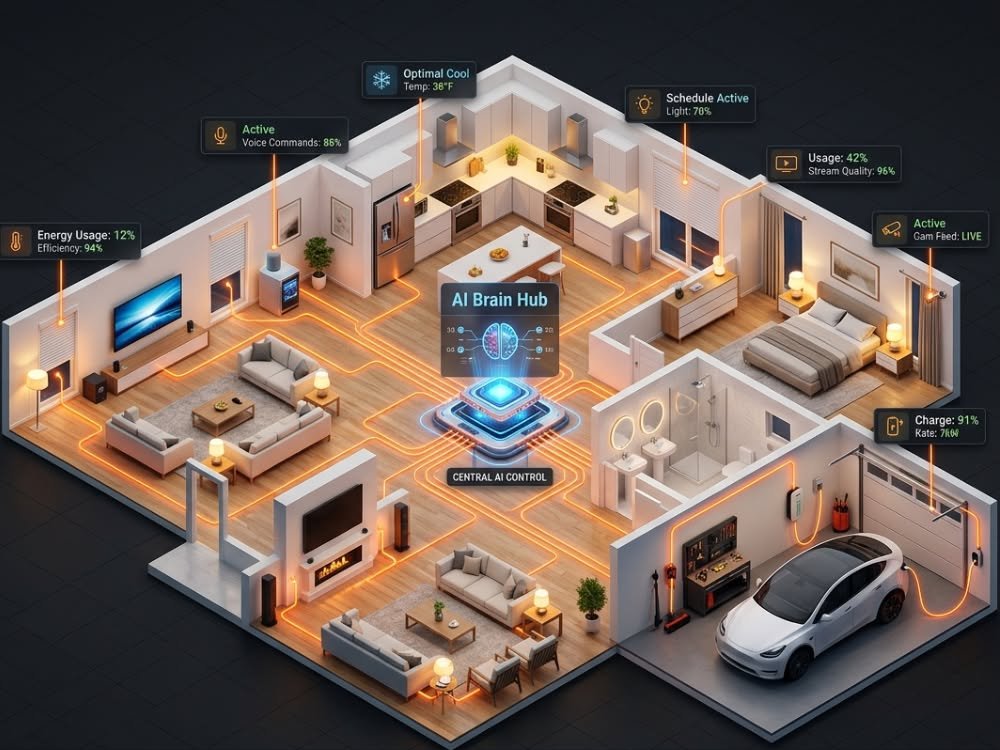
AI home hub technology is rapidly redefining how we control and personalize connected living spaces, enabling truly unified automation and smarter decisions for homes in 2025 and beyond.
Key Takeaways
- AI home hubs are transforming smart home automation with edge-AI, generative assistants, and seamless device integration.
- Legacy device support, privacy compliance, and setup complexity remain major user hurdles.
- Matter/Thread certification, energy efficiency, and brand ecosystems are vital to consider when selecting an AI home hub.
- The Core Concept: What is an AI Home Hub and Why It Matters
- Step-by-Step Guide: Setting Up an AI Home Hub in 2025
- Advanced Analysis & Common Pitfalls
- Conclusion
- FAQ
The Core Concept: What is an AI Home Hub and Why It Matters
An AI home hub acts as the primary command center for all your smart devices, coordinating lights, thermostats, speakers, security, and appliances using artificial intelligence to simplify your routines. The latest hubs—like Amazon Echo, Google Nest Hub (now Gemini-powered), and Apple HomePod—go beyond simple device control. They now leverage advanced AI for personalized automation, natural voice commands, energy efficiency, and on-device privacy features.
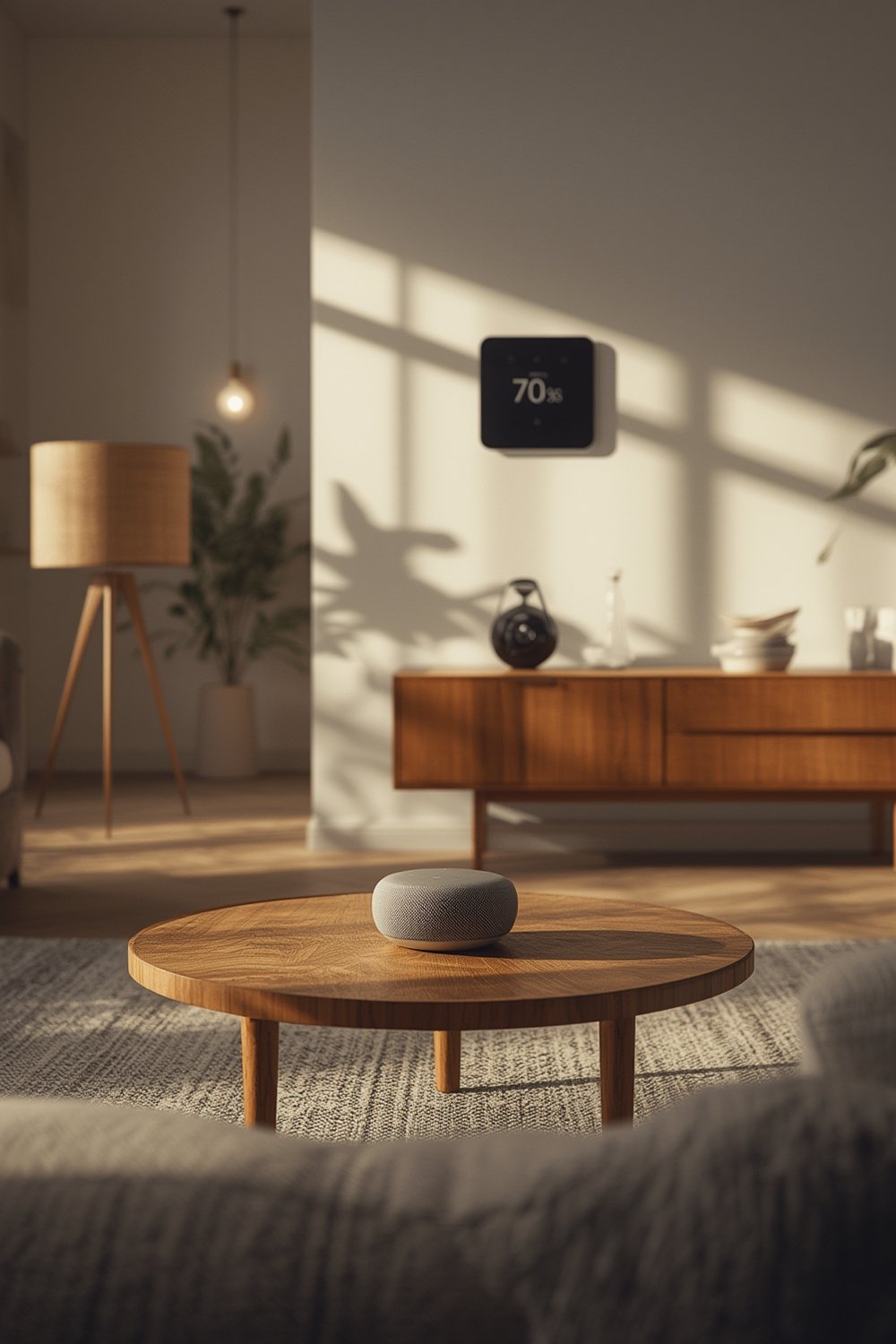
In 2025, over one-third of smart home spending will occur in North America, where over 600 million Alexa-enabled devices and new Matter/Thread standards enable direct, reliable control between brands. Asia Pacific is growing fastest as adoption jumps in urban centers. More homeowners expect their AI home hub to unify voice assistants, automate repetitive tasks, and reduce energy usage—all with robust privacy and security at the forefront.
Rising demand for seamless integration, intuitive routines, and compliance with privacy statutes is driving the global smart home hub market towards USD 140.74 billion in 2025, with a projected CAGR of over 12% through 2032. This rapid growth is why picking the right hub matters more than ever.
Step-by-Step Guide: Setting Up an AI Home Hub in 2025
Deploying a next-generation AI home hub can be straightforward if you have the right plan. Here’s a simple roadmap to maximize compatibility, privacy, and long-term value.
- Choose your ecosystem wisely.
Leading options in 2025 include Alexa (Amazon Echo), Google Nest (now with Gemini AI), Apple HomePod/TV, and Samsung SmartThings. Amazon delivers broad compatibility and affordable hardware, while Google shines for context-aware routines and energy tools. Apple excels in privacy and a tightly-integrated experience.If you’re interested in advanced lighting controls, see our in-depth Philips Hue Smart Play Light Bar review for compatibility tips. - Check protocol support and certifications.
Ensure the hub supports Matter, Thread, and Wi-Fi/BLE as a baseline. For legacy devices, verify Zigbee or Z-Wave support, either natively or via a bridge. Must-have certifications include Matter (for interoperability across brands) and energy efficiency ratings—many new hubs support direct utility rebates.Learn how device ecosystems interact by exploring Philips Hue’s ecosystem analysis. - Prepare your network and environment.
Stable broadband is essential for cloud AI functions. For patchy connections, prioritize hubs with edge-AI (local voice and automation). - Install and configure your AI home hub.
Use the manufacturer’s app for guided setup. This step typically includes Wi-Fi pairing, ecosystem login (Alexa/Google/Apple), and device discovery. Multi-family or apartment dwellers should plan for more complex retrofits and possible permission requirements, as highlighted in our smart home upgrade guides. - Integrate and group your devices smartly.
Assign devices to rooms or scenes for easier voice or app control. For advanced routines, use natural language—modern hubs now understand sequences like “Good night, lock doors and dim all lights.” - Prioritize privacy and security settings.
Review privacy dashboards and set up local-only controls when possible. Enterprise-grade hubs offer edge-AI for processing sensitive routines on-device, limiting cloud exposure. - Fine-tune automation, schedules, and energy management.
Leverage predictive routines (like lights that adjust when you arrive home) and test generative AI for more contextual actions. Connect utility accounts for rebates where available.
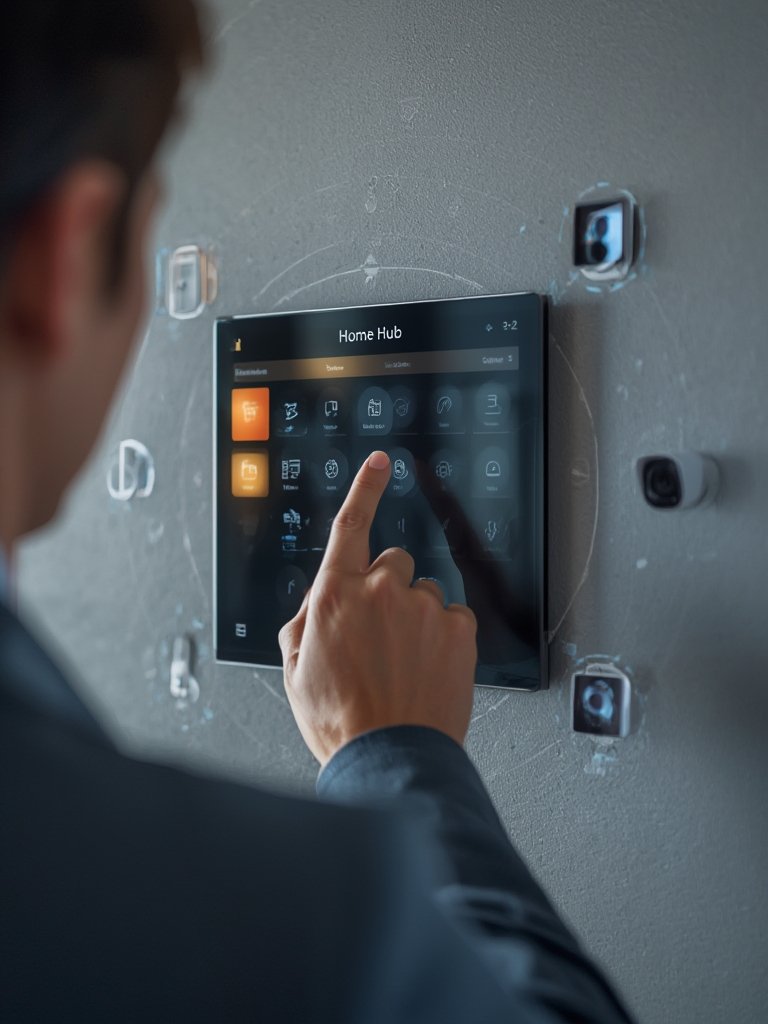
If you want richer media and lighting experiences, check out our Philips Hue Smart Play Light Bar review—it pairs well with most AI hubs discussed above.
Advanced Analysis & Common Pitfalls
While AI home hubs have never been more powerful, users repeatedly encounter these real-world problems:
- Integration headaches—especially with legacy devices. Many early adopters have Zigbee or Z-Wave gear that doesn’t directly work with modern Matter-based hubs. Often, a third-party bridge or dongle is required. Top competitor guides miss this crucial step, risking wasted investments for upgraders.
- Privacy and data compliance gaps. Users worry about smart speakers and cameras sending personal data to the cloud. Not all hubs offer robust privacy controls or local edge-AI processing—this is vital, especially if you live in a region with strict privacy statutes.
- Setup complexity in apartments or shared/hospitality settings. Multi-family environments face barriers like shared Wi-Fi, tenant churn, and difficulties managing occupant access. Most advice focuses on single-family homes, leaving renters with limited practical help.
- Platform lock-in and reduced flexibility. Once you commit to a hub ecosystem (like Alexa or Google), switching can mean re-investing in devices, skills, and automations. It’s hard to migrate between brands despite Matter promises.
- Unreliable automation and patchy broadband. Some AI features still require cloud calls, leading to slowdowns or outages if your internet drops. Look for products with robust local control, especially in regions with spotty service.
| Brand & Model | Protocols Supported | Notable AI Features | Privacy & Security | Estimated 2025 Value |
|---|---|---|---|---|
| Amazon Echo | Matter, Thread, Zigbee, Wi-Fi, BLE | Alexa+, Generative AI, 600M+ device compatibility | On-device ML, Privacy Controls | Lowest cost, high ARPU with Prime |
| Google Nest Hub Gemini | Matter, Thread, Wi-Fi, BLE, Zigbee (via bridge) | Gemini contextual AI, Predictive routines, <100ms voice | Edge-AI routines, Google privacy dashboard | Strong value, integrated energy optimization |
| Apple HomePod/TV | Matter, Thread, Wi-Fi, BLE | Siri on-device, Private automation, tight iOS integration | Privacy-first, local processing | Premium pricing, vertical value |
| Samsung SmartThings Hub | Matter, Thread, Zigbee, Z-Wave, Wi-Fi, BLE | Bixby automation, broad compatibility | Customizable security | Midrange cost, ecosystem-centric |
Not all hubs and lighting gear play nicely together—especially if you mix brands. To see which smart lighting fits your system, read our recent Philips Hue Smart Play Light Bar review for extra detail.
Most importantly, prioritize hubs with third-party certification for Matter/Thread, and energy efficiency ratings that tie into utility discounts. For launch and update schedules, Matter devices are being rolled out in phases from 2024 onward; expect robust compatibility within four years.
When in doubt, consult the latest market data and always ask about privacy, bridge support, and upgrade costs.
Conclusion
AI home hubs in 2025 deliver powerful new automations and convenience, but choosing wisely—by checking protocol support, installation needs, and privacy guarantees—is essential for long-term satisfaction. Don’t forget to ask about your existing devices, certification standards, and after-sales support before making the leap. To discover what works best with your chosen AI home hub, visit our Philips Hue Smart Play Light Bar compatibility guide.
Ready to upgrade? Start with a future-proofed AI home hub—then build out smarter, simpler control for every room. Explore the latest compatibility, tips, and lighting reviews on our site.
FAQ
What is the biggest advantage of an AI home hub compared to a regular smart speaker?
The biggest advantage is true centralization—an AI home hub manages routines, multiple device brands, and personalizes automation with generative AI, while most smart speakers only control a single ecosystem.
Can I connect old Zigbee or Z-Wave devices to a modern AI home hub in 2025?
Yes, but you’ll need a supported hub or a third-party bridge that enables Matter compatibility. Not every hub has native legacy support, so always verify before buying.
Are AI home hubs safe for privacy-conscious users?
Only some hubs offer robust local processing and privacy controls. Apple’s HomePod and certain Google/Nest models focus on privacy-first, while many lower-priced devices rely on cloud processing. Always check privacy practices and settings before setup.
Which AI home hubs work best for apartments and shared spaces?
Look for hubs that support flexible access control, local routines, and are easy to reconfigure for new tenants or roommates. Multi-protocol hubs with strong mobile dashboards, like Samsung SmartThings or Google Nest Hub, can be ideal for multi-family or rental settings.
What certifications matter when buying an AI home hub?
Matter and Thread certification ensure interoperability. Look for energy efficiency badges if you want to link with utility rebates. Privacy and security certifications are a growing trend, so check for local compliance if you live in a region with strict data laws.
—